
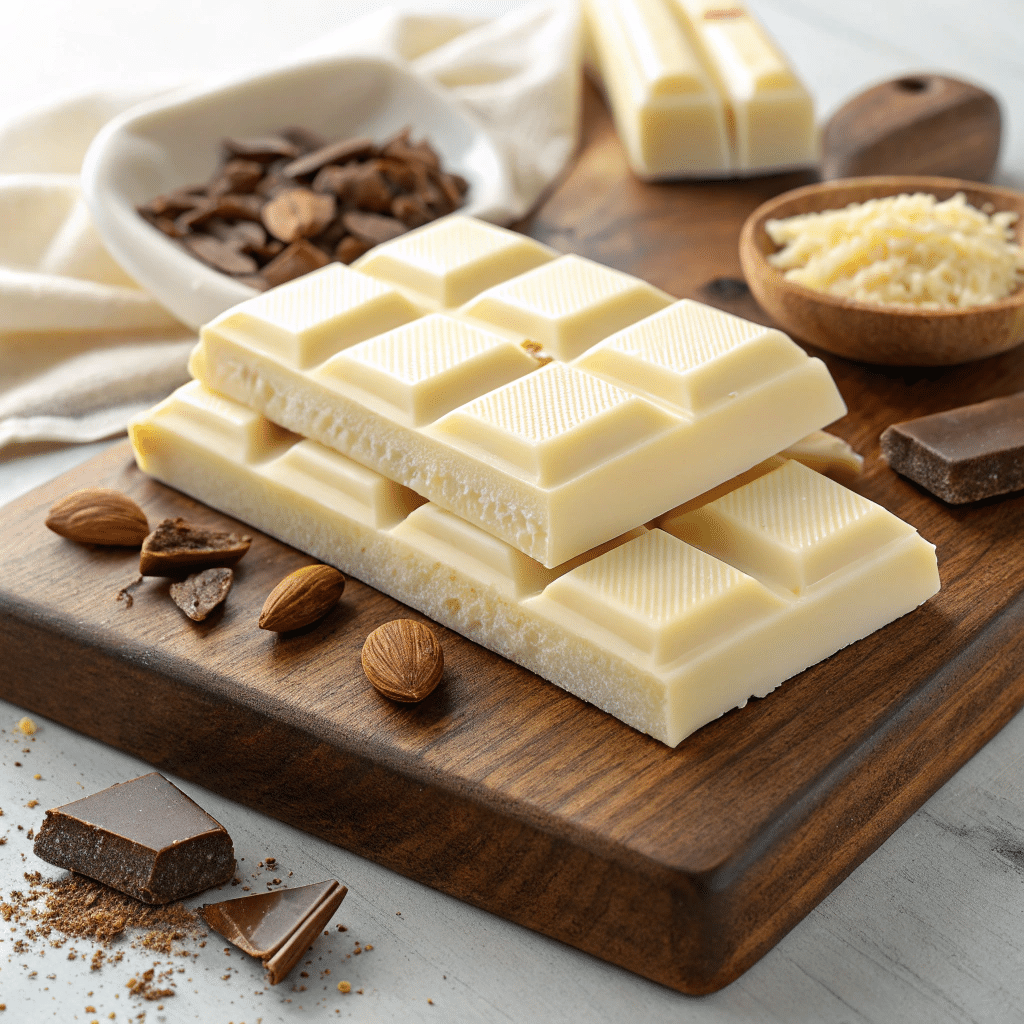
When I first tasted white chocolate bars, I was amazed by their creamy sweetness. Unlike milk or dark chocolate, white chocolate offers a smooth, buttery flavor that melts in your mouth without any bitterness. I still remember unwrapping my first premium white chocolate bar—it felt indulgent, silky, and almost dessert-like on its own.
White chocolate has a unique charm. Its pale ivory color and rich texture make it perfect for snacking, gifting, or even baking. From childhood treats to gourmet options, white chocolate bars have a special way of turning an ordinary moment into something decadent. Whether you enjoy them plain, filled with fruit or nuts, or paired with coffee, they deliver a flavor experience that’s comforting yet luxurious.
In this guide, we’ll explore what makes white chocolate bars special, the best brands to try, how they’re made, and how they differ from traditional chocolate. By the end, you’ll know exactly why white chocolate deserves its own spotlight in the world of sweets.
Table of Contents
Why White Chocolate Bars Stand Out
Creamy Texture and Sweet Flavor
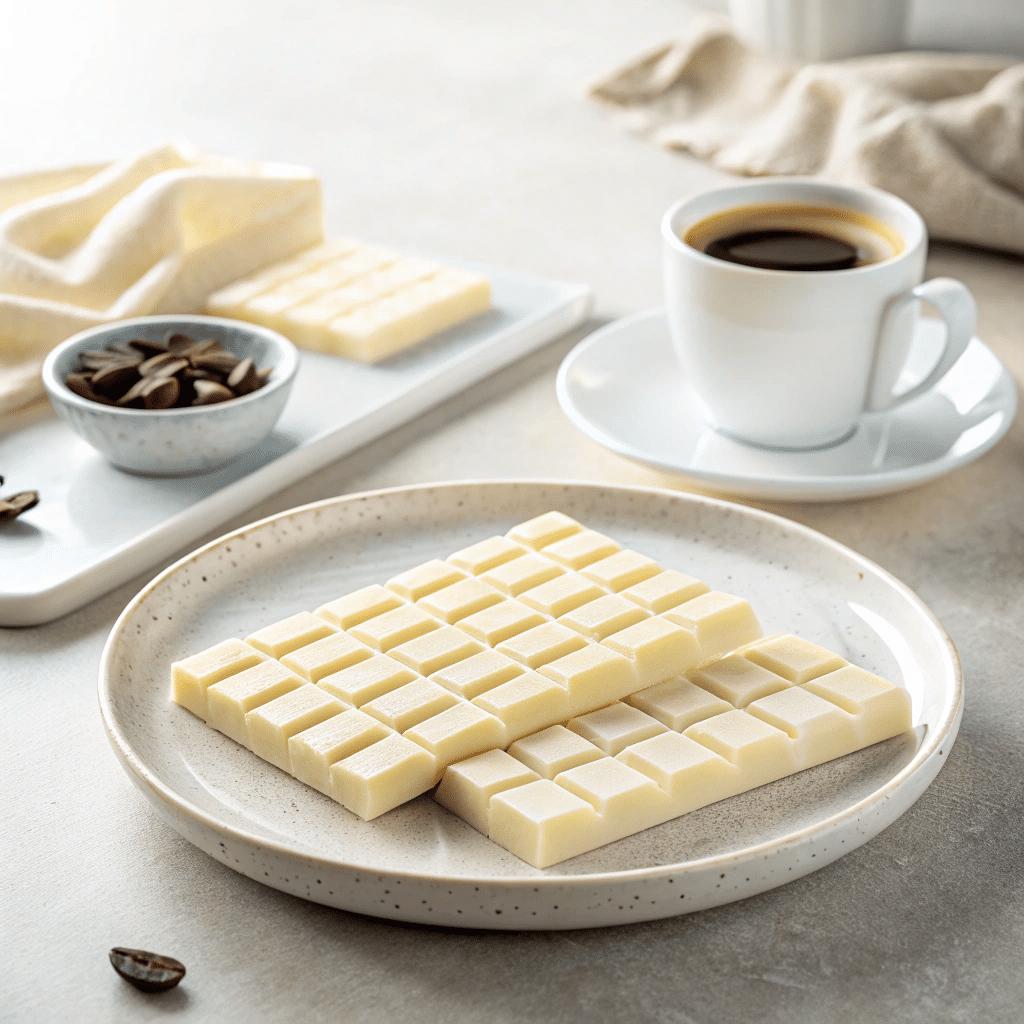
White chocolate is made using cocoa butter, sugar, and milk solids Without cocoa solids, it has a pale ivory color and a gentle, sweet taste. Their velvety texture makes them perfect for slow melting on the tongue, creating a comforting, buttery sensation that pairs beautifully with coffee or tea.
Versatile for Snacking and Baking
White chocolate bars aren’t just for snacking—they’re also a favorite in baking. Their creamy flavor balances tart fruits, nuts, or even dark chocolate in recipes like cookies, cheesecakes, and frostings. They also make excellent gifts, thanks to their elegant appearance and universal appeal. Whether you enjoy them on their own or use them to elevate desserts, they’re a versatile treat for any occasion.
Best White Chocolate Bars and How to Choose Them
Popular and High-Quality Brands
When it comes to white chocolate bars, several brands consistently deliver rich flavor and smooth texture. Here are some top picks:
- Lindt Classic Recipe White Chocolate: Known for its silky finish and delicate sweetness, this bar is perfect for snacking or melting in desserts.
- Ghirardelli White Chocolate: Creamy and rich, it’s a favorite for baking and candy-making. Its balanced sweetness makes it versatile for recipes or enjoying on its own.
- Green & Black’s Organic White Chocolate: Made with organic cocoa butter and a hint of vanilla, this option is ideal for those who prefer a natural and less sweet taste.
- Godiva White Chocolate Bar: Luxurious and elegant, it has a velvety texture that feels truly indulgent, ideal for gifting or special occasions.
- Valrhona Ivoire White Chocolate: A premium choice often used by pastry chefs, known for its exceptional creaminess and subtle flavor profile.
These brands have set the standard for white chocolate bars by using high-quality cocoa butter and expert craftsmanship to achieve their signature taste.
How to Choose the Perfect White Chocolate Bar
Not all white chocolate bars are created equal, and choosing the best one involves checking a few key details:
- Cocoa Butter Content: Look for bars with at least 20% cocoa butter for a rich, creamy mouthfeel.
- Short Ingredient List: High-quality bars typically contain cocoa butter, sugar, milk solids, and vanilla, with no unnecessary additives.
- Natural Vanilla: Many premium bars use real vanilla instead of artificial flavoring, giving a smoother, more authentic taste.
- Texture and Snap: A good white chocolate bar should have a clean break when snapped and melt smoothly without a waxy residue.
By focusing on these factors, you can ensure your white chocolate bars deliver the luxurious sweetness and creaminess they’re known for.
Uses for White Chocolate Bars and Perfect Pairings
Creative Ways to Use White Chocolate Bars
White chocolate bars are incredibly versatile and can be enjoyed in a variety of ways beyond simple snacking:
- Baking and Desserts: Chop them into chunks for cookies, brownies, or blondies. Their creamy sweetness pairs perfectly with tart fruits like raspberries or citrus in cheesecakes and tarts.
- Melting for Coatings: Melt white chocolate bars to drizzle over cakes, pastries, or popcorn for a sweet finishing touch. They’re also excellent for dipping strawberries or pretzels for an elegant treat.
- Candy Making: Use them to create white chocolate bark, truffles, or homemade candy bars. Combine them with nuts, dried fruit, or dark chocolate swirls for added flavor and texture.
- Frostings and Ganache: Melted white chocolate can be whisked into buttercream frosting or ganache for a silky, luxurious texture that enhances cakes and cupcakes.
Because they melt smoothly and blend well with other flavors, white chocolate bars are an essential ingredient for both beginner and experienced bakers.
Pairings to Elevate White Chocolate Bars
The mild, creamy taste of white chocolate bars makes them ideal for pairing with contrasting flavors:
- Fruits: Raspberries, strawberries, and citrus fruits balance white chocolate’s sweetness with refreshing tartness.
- Nuts: Almonds, pistachios, and macadamia nuts bring a crisp texture and a deep, nutty richness.
- Coffee and Espresso: The bitterness of coffee enhances the buttery smoothness of white chocolate bars, making it a perfect pairing for afternoon treats.
- Spices: Warm spices like cinnamon or cardamom bring depth to white chocolate’s delicate flavor, perfect in holiday desserts.
By combining these elements, you can transform white chocolate bars into gourmet experiences or simply enjoy them with complementary snacks.
Print
White Chocolate Bars: Sweet, Creamy, and Irresistible
- Total Time: 2 hours 20 minutes
- Yield: 8 bars 1x
- Diet: Vegetarian
Description
White chocolate bars are creamy, sweet, and indulgent treats made from cocoa butter, sugar, and milk solids. Perfect for snacking or baking!
Ingredients
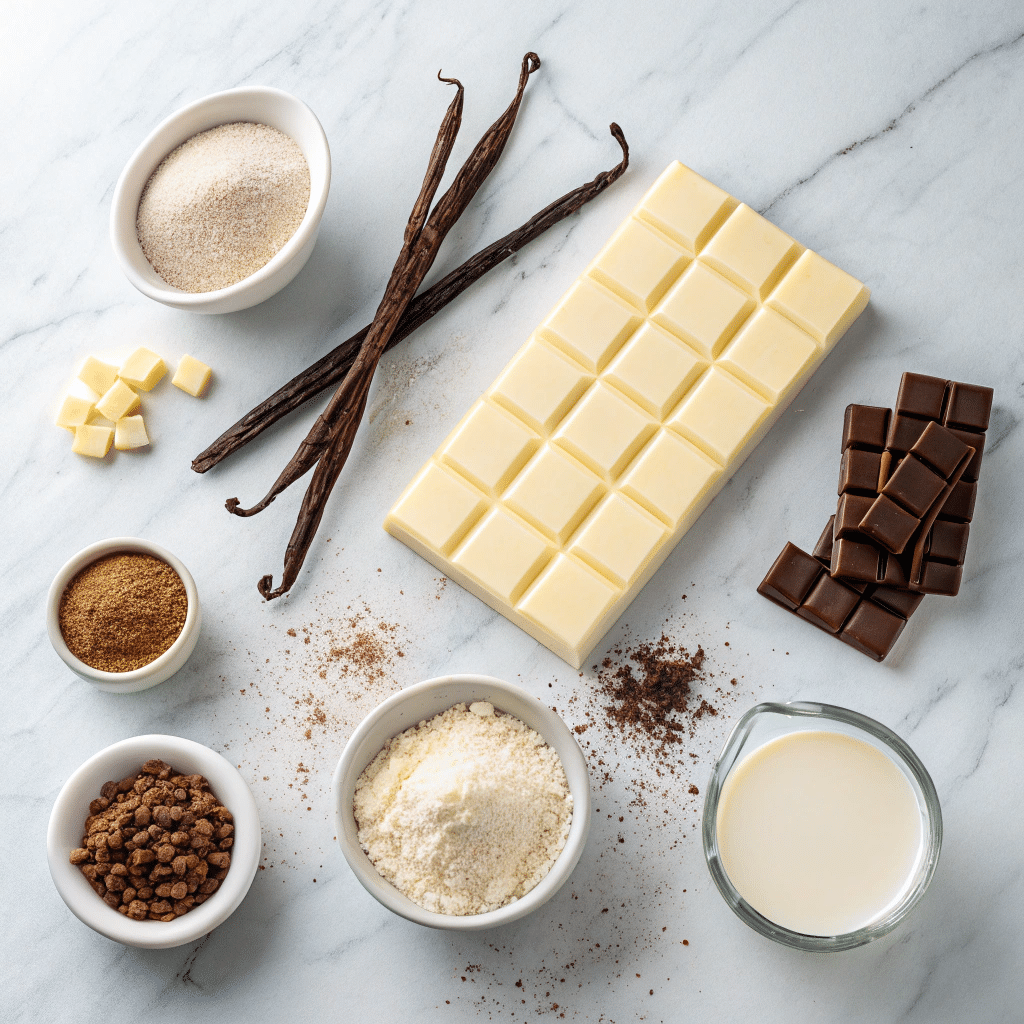
8 oz cocoa butter
1 cup powdered sugar
1/2 cup milk powder
1 tsp vanilla extract
Pinch of salt (optional)
Instructions
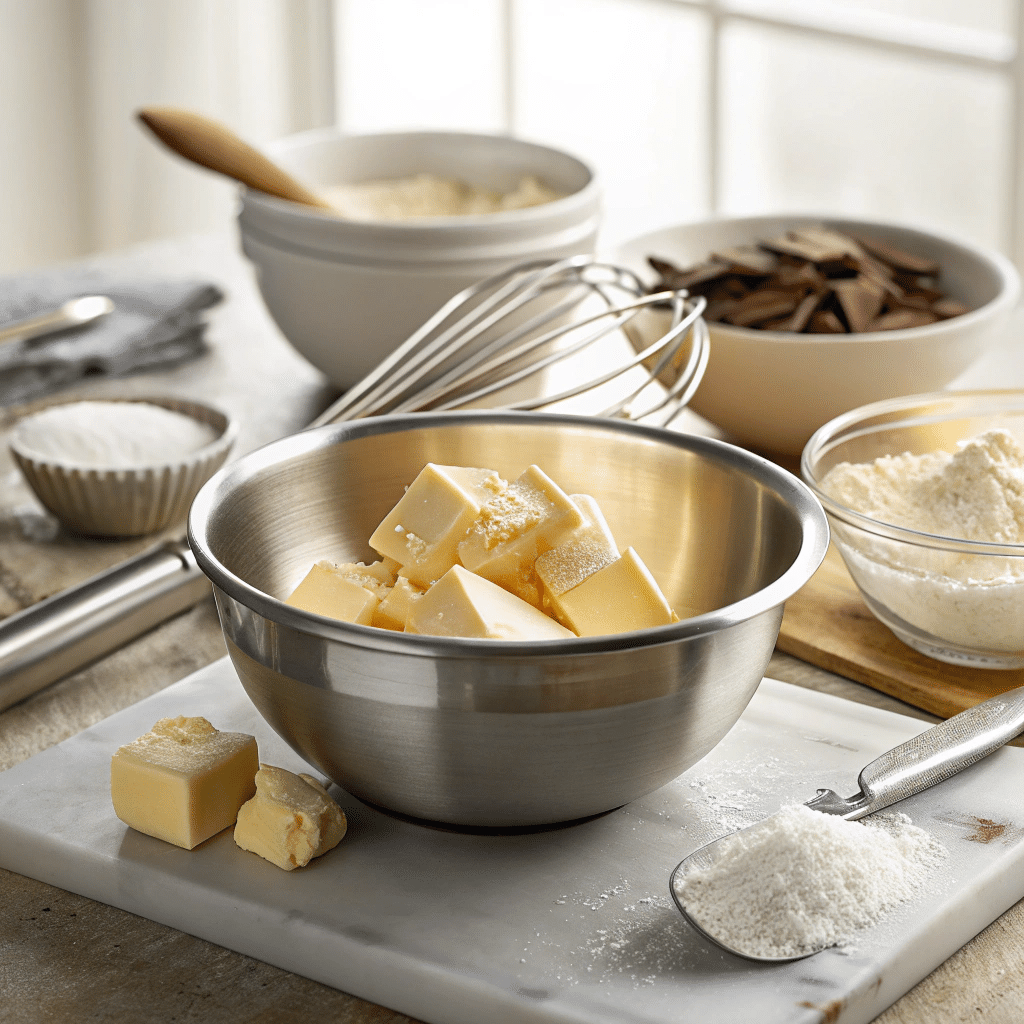
1. Melt cocoa butter in a double boiler over low heat.
2. Whisk in powdered sugar, milk powder, vanilla, and salt until smooth.
3. Pour mixture into silicone bar molds and tap to remove air bubbles.
4. Refrigerate for 2–3 hours until set.
5. Remove from molds, wrap individually, and store in a cool, dry place.
Notes
Use high-quality cocoa butter for the best flavor and texture.
Add fruit powders, nuts, or spices for unique variations.
Store in airtight containers for up to 2 weeks.
- Prep Time: 10 minutes
- Cook Time: 10 minutes
- Category: Dessert
- Method: No-bake
- Cuisine: International
Nutrition
- Serving Size: 1 bar
- Calories: 210
- Sugar: 20g
- Sodium: 20mg
- Fat: 14g
- Saturated Fat: 9g
- Unsaturated Fat: 5g
- Trans Fat: 0g
- Carbohydrates: 23g
- Fiber: 0g
- Protein: 2g
- Cholesterol: 5mg
Keywords: white chocolate bars, homemade white chocolate, cocoa butter recipe
How White Chocolate Bars Are Made
The Process Behind the Creamy Texture
The journey of white chocolate bars starts with the cocoa bean, harvested from cacao pods. Once the beans are fermented, dried, and roasted, they are pressed to separate the rich cocoa butter from the cocoa solids. Unlike milk or dark chocolate, which incorporate these solids, white chocolate uses only cocoa butter, giving it its signature ivory color and smooth, buttery profile.
The extracted cocoa butter is then combined with fine sugar, milk powder, and natural vanilla. These ingredients are blended carefully to create a sweet and creamy base. The mixture undergoes refining, where it’s passed through rollers to reduce particle size, resulting in an ultra-smooth texture.
Next, the chocolate enters the conching process, a slow mixing and aeration step that can last anywhere from several hours to days in premium chocolate making. This step ensures the cocoa butter is evenly distributed, removes any graininess, and creates the smooth, creamy texture that makes white chocolate bars so luxurious.
Finally, the mixture is tempered—a controlled heating and cooling technique that stabilizes the cocoa butter crystals. This crucial step ensures the chocolate has a glossy finish, a crisp “snap” when broken, and melts evenly on the tongue.
What Makes Premium White Chocolate Different?
Not all white chocolate bars are created equal. Premium brands distinguish themselves with:
- Higher Cocoa Butter Content: High-end bars often contain 30–40% cocoa butter (vs. the minimum 20% in standard chocolate), which delivers a richer, smoother texture.
- Real Vanilla: Artisan bars use pure vanilla bean or extract rather than artificial vanillin, adding a fragrant, natural sweetness.
- Slow Conching: Luxury chocolates undergo extended conching, sometimes for over 24 hours, to refine texture and deepen flavor complexity.
- Quality Milk Solids: Full-cream milk powder is used instead of cheaper milk substitutes, giving a creamier mouthfeel.
- Unique Additions: Gourmet makers often blend in dried fruits, spices, or even floral notes like lavender, creating distinctive, elevated flavor profiles.
These steps ensure premium white chocolate bars are not waxy or overly sweet but instead provide a balanced, luxurious experience that melts effortlessly and tastes authentically rich.
Understanding these details helps you spot true quality, making your next white chocolate bar purchase not just a treat, but an informed indulgence.
Conclusion
White chocolate bars are far more than just a sweet treat—they are a showcase of craftsmanship and quality. Made from rich cocoa butter, sugar, and milk, they deliver a creamy texture and subtle flavor that’s perfect for indulgent snacking or elevating desserts. From premium options like Valrhona and Lindt to more accessible favorites like Ghirardelli, there’s a bar to suit every palate.
Understanding how white chocolate bars are made and what sets premium versions apart allows you to enjoy them fully, whether you savor them on their own, pair them with coffee and fruit, or incorporate them into baking. Their versatility and luxurious feel make them a staple for both everyday enjoyment and special occasions.
Next time you crave something rich yet delicate, reach for a high-quality white chocolate bar—a simple pleasure with an undeniably gourmet edge.
For More recipes Follow me in Facebook and Pinterest
FAQs About White Chocolate Bars
What’s the best white chocolate bar?
The best white chocolate bars are those with high cocoa butter content (at least 30%) and minimal additives. Brands like Lindt, Valrhona Ivoire, Green & Black’s Organic, and Godiva are highly regarded for their smooth texture and balanced sweetness. These bars use premium ingredients such as pure cocoa butter, real vanilla, and high-quality milk solids. For baking or snacking, Valrhona is often the top choice among professionals due to its silky melt and subtle vanilla notes.
Is Ghirardelli white chocolate real chocolate?
Yes and no. While Ghirardelli white chocolate is made with real cocoa butter, it does not contain cocoa solids, which are present in milk and dark chocolate. By definition, white chocolate bars don’t include cocoa solids, so they differ technically from traditional chocolate. However, because they are derived from cocoa butter (a product of the cocoa bean), they are recognized as a true form of chocolate in many regions.
What chocolate bars no longer exist?
Several nostalgic white chocolate bars have been discontinued over the years. Examples include the Nestlé Alpine White bar, popular in the 1980s and 1990s, which combined white chocolate with almonds. Limited-edition releases like Hershey’s Cookies ‘n’ Mint White Chocolate have also come and gone. While some of these may resurface as special editions, they’ve largely become fond memories for candy lovers.
What are white chocolate bars?
White chocolate bars are confections made primarily from cocoa butter, sugar, milk solids, and vanilla. Unlike milk or dark chocolate, they lack cocoa solids, which gives them their pale ivory color and creamy, buttery taste. The best versions offer a smooth melt, balanced sweetness, and subtle vanilla aroma, making them perfect for both snacking and culinary uses like baking, melting for coatings, and creating desserts.