
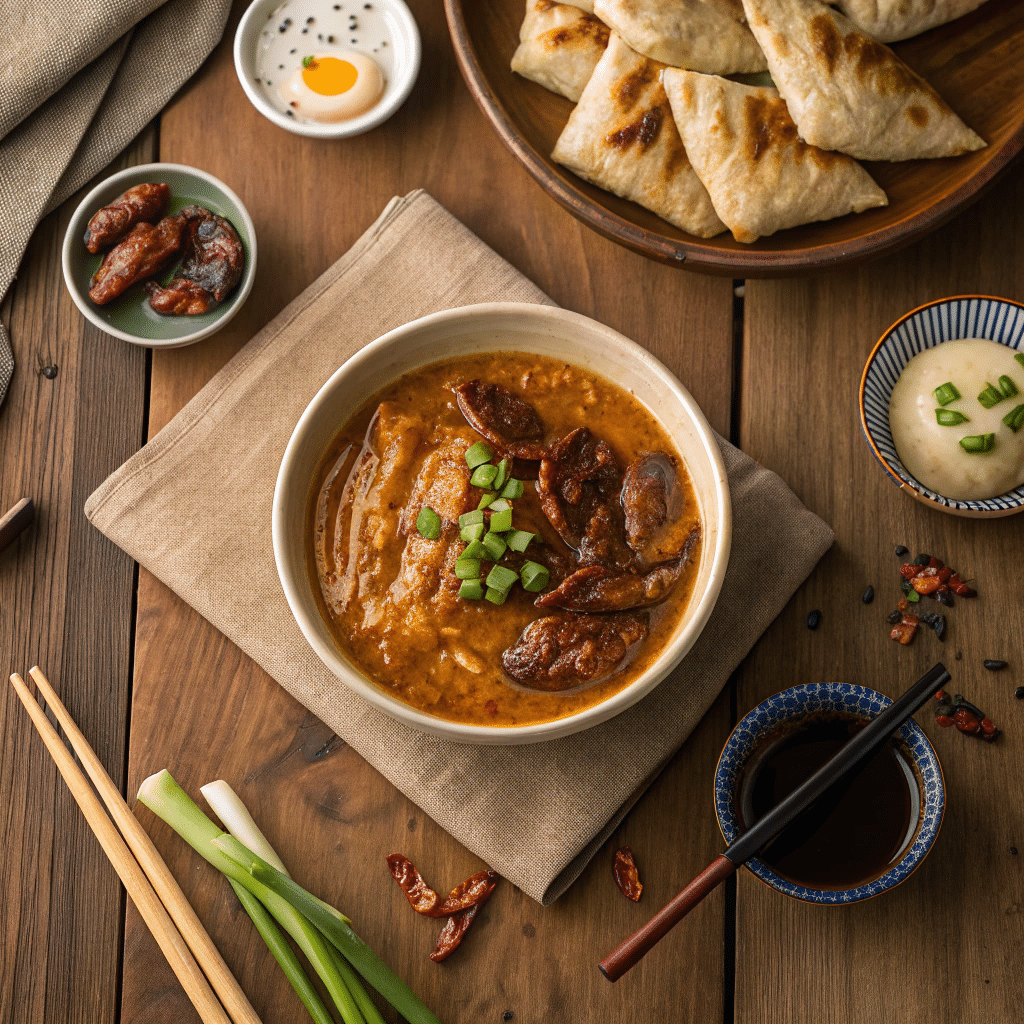
Duck Chinese sauce is a staple in Chinese-American cuisine—sweet, tangy, and unforgettable. This article explores the history, ingredients, and mouthwatering uses of this iconic sauce. Whether you’re curious about what makes it so irresistible or ready to try making it at home, we’ve crafted this guide with love, memories, and plenty of flavor. Let’s discover why duck Chinese sauce deserves a place in your kitchen.
Table of Contents
The Comfort of Duck Chinese Sauce in My Kitchen
Duck Chinese sauce reminds me why I fell in love with cooking
Duck Chinese sauce isn’t just a condiment—it’s a core memory. Hi, I’m Lara, the heart behind fre Recipes. Growing up, Friday nights meant Chinese takeout. And no matter what we ordered, those little packets of duck sauce were the first thing I reached for. That glossy, golden sauce—sweet from apricots or plums, tangy with vinegar, and balanced with a little soy—felt like magic.
In our cozy kitchen, we didn’t need fancy chef tools or formal recipes. Cooking was about feeling, about freedom. And duck Chinese sauce became one of those tastes that made everything better. Over crispy duck, it adds contrast. With egg rolls, it’s a perfect dip. Even on grilled chicken, it works wonders.
Years later, I started testing homemade versions in my own kitchen, discovering just how easy and rewarding it is to make this sauce from scratch. I found that it’s not about duplicating a restaurant flavor—it’s about making something that brings comfort and connection.
The power of homemade duck Chinese sauce
Making your own duck Chinese sauce means control over sweetness, spice, and texture. You can keep it traditional with stone fruits and sugar, or add your own spin with chili flakes or hoisin. It’s easy to make, keeps well, and works with just about anything. Perfect for dim sum nights or a quick dipping fix!
Let’s dive into what makes it so beloved, and how you can create that same rich, balanced flavor right at home.
Print
Title: Duck Chinese Sauce: The Ultimate Guide to Rich, Flavorful Asian Delight
- Total Time: 12 minutes
- Yield: 1 cup 1x
- Diet: Vegetarian
Description
This sweet and tangy duck Chinese sauce is easy to make and full of flavor. Perfect for dipping, glazing, or pairing with your favorite dishes.
Ingredients
1/2 cup apricot preserves
1 tablespoon rice vinegar
1 tablespoon soy sauce
1 teaspoon grated ginger
1 garlic clove, minced
1 teaspoon sugar (optional)
Pinch of chili flakes (optional)
Instructions
1. Combine all ingredients in a small saucepan over medium heat.
2. Stir frequently and bring to a gentle simmer.
3. Cook for 5–7 minutes until slightly thickened.
4. Taste and adjust sweetness or acidity if needed.
5. Let cool and store in a sealed jar in the fridge.
Notes
Use plum preserves instead of apricot for a more traditional flavor.
Pairs well with crispy duck, egg rolls, or grilled chicken.
Keeps up to 3 weeks refrigerated.
- Prep Time: 5 minutes
- Cook Time: 7 minutes
- Category: Sauce
- Method: Simmer
- Cuisine: Chinese-American
Nutrition
- Serving Size: 1 tbsp
- Calories: 35
- Sugar: 5g
- Sodium: 150mg
- Fat: 0g
- Saturated Fat: 0g
- Unsaturated Fat: 0g
- Trans Fat: 0g
- Carbohydrates: 8g
- Fiber: 0g
- Protein: 0g
- Cholesterol: 0mg
Keywords: duck Chinese sauce, sweet duck sauce, homemade duck sauce
What Exactly Is Duck Sauce Made Of?
Core ingredients in traditional duck Chinese sauce
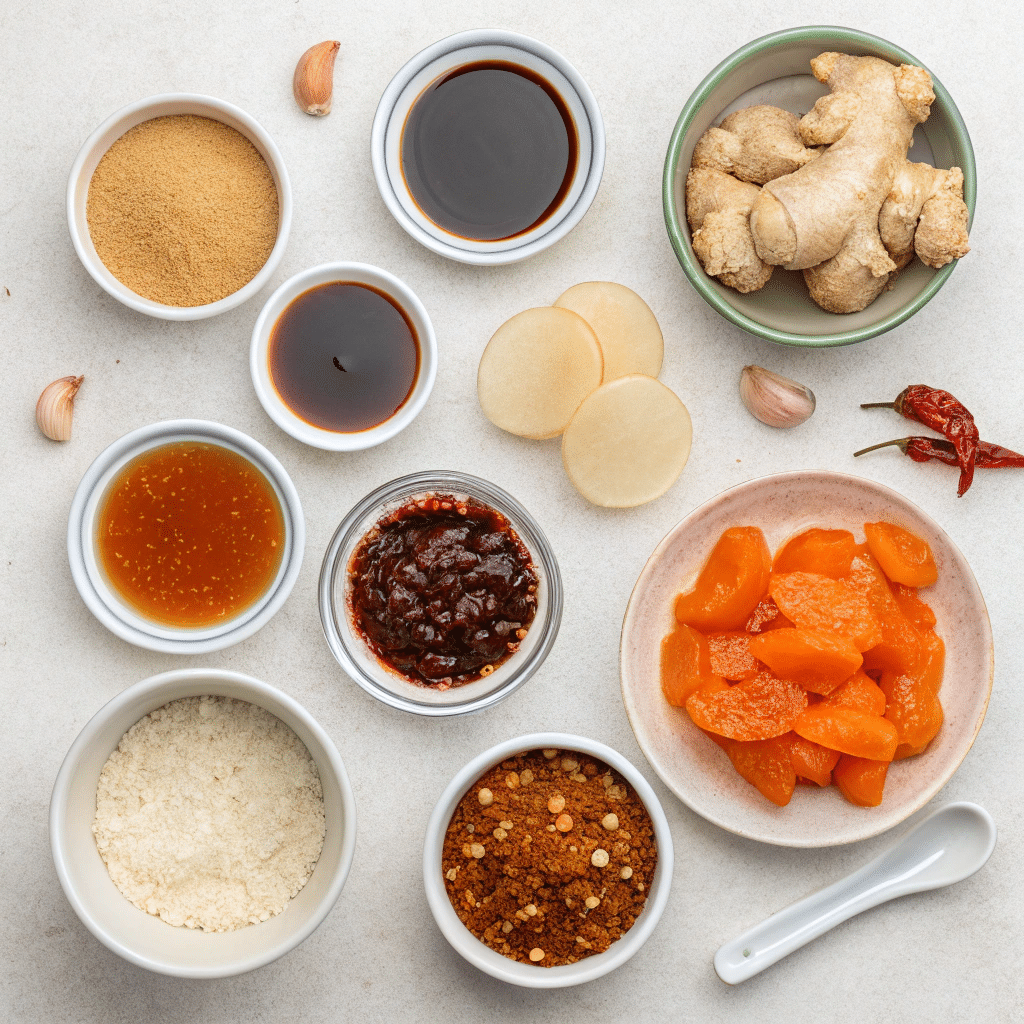
The magic of duck Chinese sauce lies in its simplicity. At its core, this sauce blends sweet, sour, and salty in a uniquely balanced way. While recipes can vary, the foundation usually includes fruit (typically apricots, plums, or peaches), vinegar for acidity, sugar for sweetness, and a dash of soy sauce for depth. Garlic, ginger, and a dash of chili flakes are commonly added to give the sauce warmth and a gentle kick.
Traditional versions used actual plum preserves or dried fruits simmered down with vinegar and spices. Today, you can find store-bought versions, but homemade duck Chinese sauce lets you fine-tune every note of flavor. Some variations use hoisin sauce for a deeper, richer taste, or add cornstarch to create a smooth, shiny texture. The goal is harmony—no one flavor should overpower the others.
Homemade vs store-bought: what’s the difference?
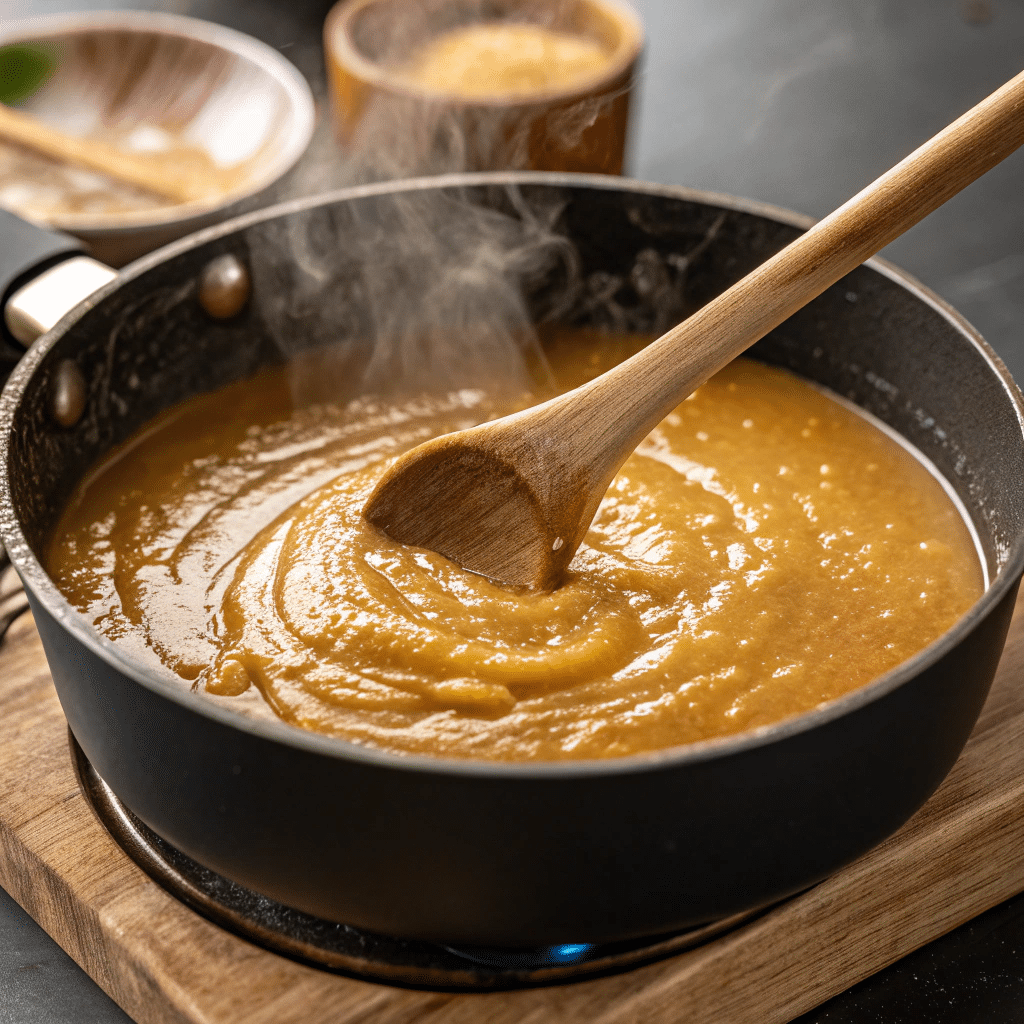
While store-bought duck sauce is convenient, it often contains preservatives and high-fructose corn syrup. Homemade sauce, on the other hand, gives you full control over sugar levels and allows you to use real fruit. You can keep it bright and fruity or cook it down for a thicker, jammy texture that clings beautifully to crispy duck skin or fried appetizers.
A homemade version can be ready in under 20 minutes and stored for weeks in the fridge. It’s more customizable, healthier, and frankly—just tastes better. Once you’ve made it yourself, you’ll never go back to those takeout packets again.
Next, we’ll explore the different ways this sauce is served, and why it’s more than just a topping for duck.
How and When to Use Duck Chinese Sauce
Best dishes to pair with duck Chinese sauce
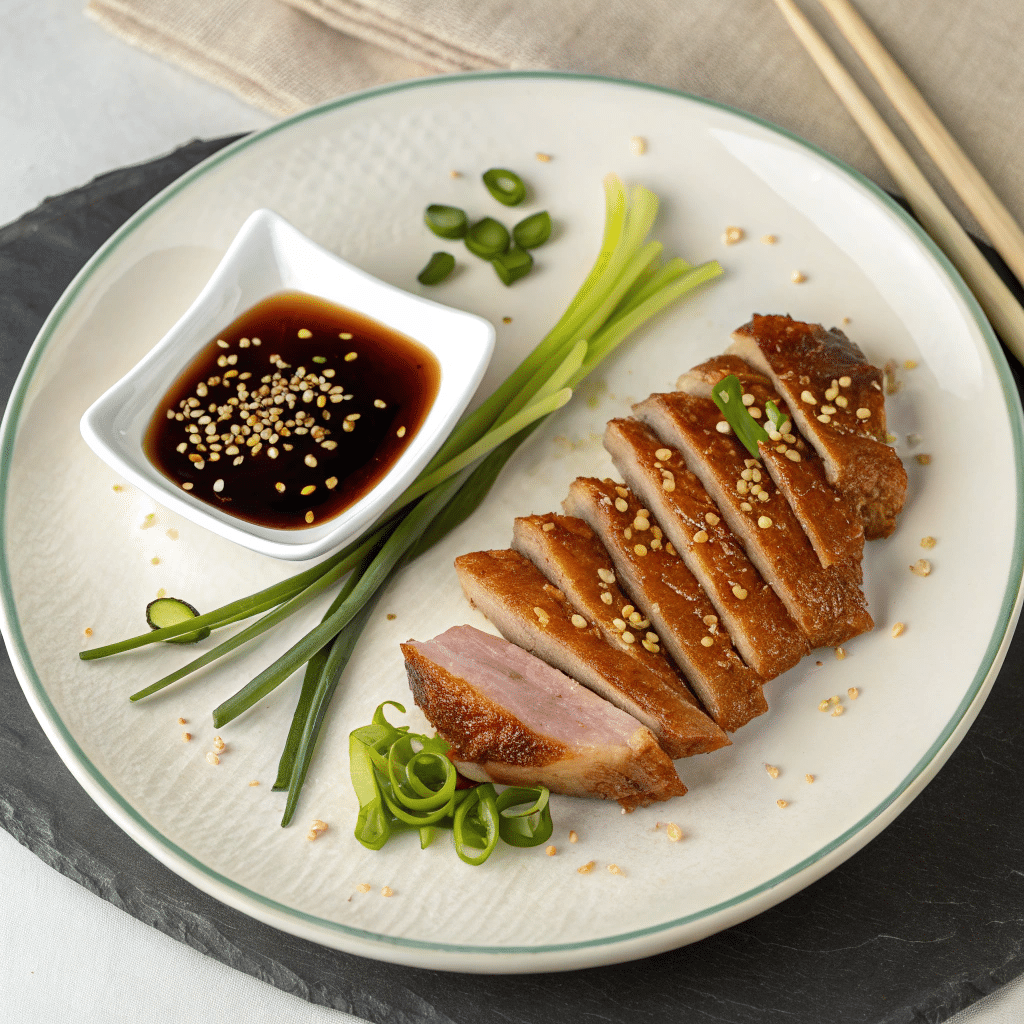
While its name may suggest a singular use, duck Chinese sauce is one of the most versatile condiments in Chinese-American cooking. Traditionally served with crispy Peking duck, its sweet and tangy flavor perfectly cuts through the richness of the meat. But that’s just the beginning.
Duck Chinese sauce is a fantastic dip for spring rolls, egg rolls, fried wontons, and scallion pancakes. It’s a popular companion for mu shu pork and roast chicken, and a delicious glaze for grilled or stir-fried meats. A simple drizzle over fried rice or noodles elevates the dish instantly with its fruity tang and savory base.
Some creative home cooks even use it as a marinade for baked tofu or as a glaze for ribs. Its sticky texture and complex flavor work wonders when brushed onto skewers or barbecue meats in the last few minutes of grilling.
Occasions and tips for serving duck Chinese sauce
Duck sauce is a crowd-pleaser, making it a standout at both family meals and casual get-togethers. If you’re hosting a dim sum brunch or setting up a platter of crispy appetizers, make sure to offer this sauce on the side. It also makes a terrific gift—bottle up a batch in small jars with a homemade label.
For best results, serve it slightly warm or at room temperature to allow its full flavor to bloom. A small dish of duck sauce on the table invites dipping, drizzling, and double-takes from guests wondering, “What is this deliciousness?”
No matter how you use it, duck Chinese sauce brings balance and brightness. It turns everyday meals into moments of comfort, surprise, and satisfaction. In the next section, we’ll look at its cultural roots and how this sauce came to be a takeout icon.
Origins and Misconceptions of Duck Chinese Sauce
Why is it called duck sauce if there’s no actual duck in it?
One of the most common questions is, “Why is it called duck Chinese sauce if it doesn’t contain any duck?” The answer lies in how the sauce is traditionally used—not what it’s made from. In Chinese-American cuisine, especially in Cantonese restaurants, this sweet and tangy condiment was often served with roasted duck, especially the famous Peking-style duck. Over time, diners simply began calling it “duck sauce.”
Interestingly, duck sauce as we know it today is more of a Western adaptation. In traditional Chinese cooking, sauces like hoisin or plum were used for duck dishes. When Chinese immigrants adapted their cuisine to American tastes, they created this fruitier, more vibrant version using ingredients like apricot preserves, white vinegar, and a bit of soy sauce to replicate the flavor profile—just sweeter and more approachable for American palates.
How Duck Chinese Sauce Evolved in American Cuisine
In the U.S., duck sauce became a classic part of Chinese takeout meals. It’s the orange-hued, jelly-like sauce packed in those tiny plastic packets you find in nearly every Chinese takeout bag. But this version, while nostalgic, often contains corn syrup and artificial coloring. Fortunately, homemade versions have reclaimed its original depth and authenticity.
Duck sauce continues to evolve. Today, some variations include chili oil, fresh citrus zest, garlic, or even whiskey for depth. While the name remains, its use has grown well beyond just pairing with crispy duck. It now represents a bridge between traditional Chinese roots and modern, Western creativity in the kitchen.
Now that you know its story and versatility, why not try making it at home? But first—let’s answer some common questions about duck Chinese sauce below.
Conclusion
Duck Chinese sauce may be simple, but it holds a special place in kitchens and hearts. It’s not just a condiment—it’s a connection to memory, culture, and comfort. Whether you’re pouring it over crispy duck, dipping spring rolls, or adding flair to fried rice, this sweet, tangy sauce brings balance and joy to every bite.
What began as a takeout tradition has become a homemade favorite. With just a few ingredients and a little time, you can recreate this classic flavor in your own kitchen—free from preservatives and full of personality. From its misunderstood name to its unmatched versatility, duck Chinese sauce deserves a spot in every pantry.
So the next time you crave that golden, sticky magic, remember: the best duck Chinese sauce is the one you make yourself—with care, curiosity, and love.
For More recipes Follow me in Facebook and Pinterest
Frequently Asked Questions About Duck Chinese Sauce
What is Chinese duck sauce made of?
Duck Chinese sauce is typically made from a blend of sweet fruits like apricots or plums, vinegar for tanginess, sugar, soy sauce, and a few optional spices such as garlic, ginger, or chili flakes. Homemade versions often use real fruit preserves and fewer additives than store-bought ones.
What sauce is served with Chinese duck?
The classic sauce served with Chinese duck is usually plum sauce or duck Chinese sauce. In some authentic recipes, hoisin sauce is also a popular choice. These sauces provide a sweet and savory contrast to the crispy, fatty duck meat.
Which sauce is served with duck?
It depends on the region. In Chinese cuisine, duck Chinese sauce, plum sauce, or hoisin sauce are most common. In French cuisine, duck might be served with orange or cherry-based sauces. In general, any sauce that balances the richness of duck meat with sweet or acidic notes works beautifully.
Why do Chinese restaurants call it duck sauce?
Chinese restaurants in the U.S. popularized the name “duck sauce” because the sweet, fruity condiment was often served alongside duck dishes. The name stuck, even though the sauce contains no duck. It’s now a nostalgic staple in Chinese-American takeout culture.